
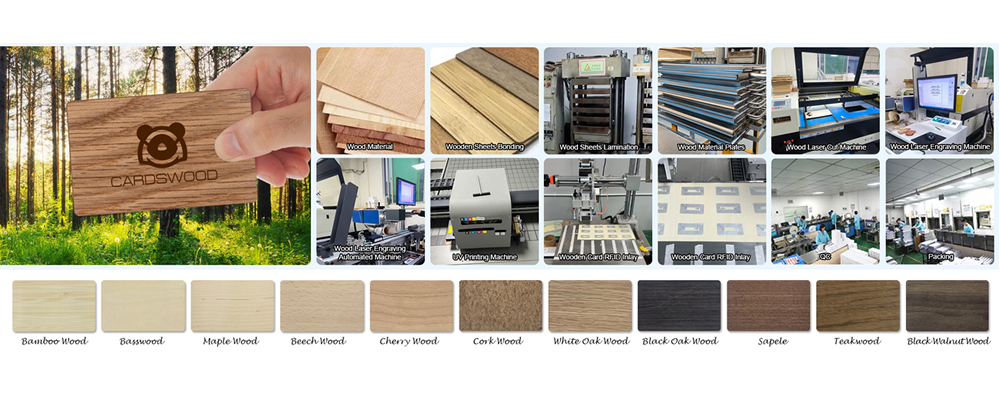
In an era where travelers are increasingly choosing destinations based on their environmental footprint, the “little things” in a hotel room are under more scrutiny than ever. From the removal of single-use plastic straws to the transition to bulk bathroom amenities, the industry is changing. Now, the spotlight has turned to the palm of the guest’s hand: the hotel key card.
1. Beyond Plastic: The Environmental Mandate
Every year, the global hospitality industry generates tons of PVC waste from discarded plastic key cards. Traditional plastic cards can take decades to decompose, often ending up in landfills or oceans.
Wooden key cards offer a biodegradable alternative that aligns with the “Circular Economy.” Most high-quality wooden cards are made from FSC-certified (Forest Stewardship Council) wood or bamboo, ensuring that for every tree used, others are planted. They naturally decompose within two years—a stark contrast to the indefinite lifespan of plastic.
2. High-Tech Performance meets High-Touch Aesthetics
There is a common misconception that “natural” means “low-tech.” In reality, wooden key cards are fully compatible with modern hotel infrastructure:
RFID Integration: They house the same NXP or MIFARE chips found in plastic cards, making them 100% compatible with major lock systems like VingCard, Salto, and Dormakaba.
Durability: Modern 5-layer wood construction ensures the cards don’t warp or splinter. They are often just as water-resistant and sturdy as their PVC counterparts.
Tactile Luxury: Unlike the cold, sterile feel of plastic, wood provides a warm, organic texture. It signals to the guest that they are staying in a boutique, high-end, or eco-conscious establishment.
3. A Powerful Branding Opportunity
A key card is the one item a guest carries with them throughout their entire stay. Wooden cards serve as a “miniature billboard” for your hotel’s values.
- Customization: Wood allows for beautiful laser engraving or full-color printing. A laser-etched logo feels more permanent and artisanal than a printed one.
- Memorable Souvenirs: Guests are significantly more likely to keep (and photograph for social media) a unique wooden card than a generic plastic one. This extends your brand’s reach long after the guest has checked out.
4. Appealing to the “Green” Traveler
Statistics show that nearly 70% of travelers are more likely to book a hotel with visible sustainability initiatives. For Gen Z and Millennial travelers, a wooden key card is a “green flag”—a tangible proof of a brand’s commitment to the planet. It’s an easy, cost-effective way for hotels to earn “brownie points” with a demographic that values authenticity over corporate slogans.
The transition from plastic to wood is more than just a trend; it is a reflection of the hospitality industry’s shift toward Regenerative Travel. By making the switch, hotels reduce their carbon footprint, elevate their brand aesthetic, and provide a guest experience that feels both high-tech and human.